


 Coming Soon
 Awards
About the Author
Brian Lockey is a scholar of Renaissance literature whose fiction explores the weight of memory and the redemptive power of music in contemporary America. He is Professor of English Literature at St. John’s University in New York City and the author of Law and Empire in English Renaissance Literature (Cambridge University Press, 2006) and Early Modern Catholics, Royalists, and Cosmopolitans (Ashgate, reprint: Routledge, 2015).
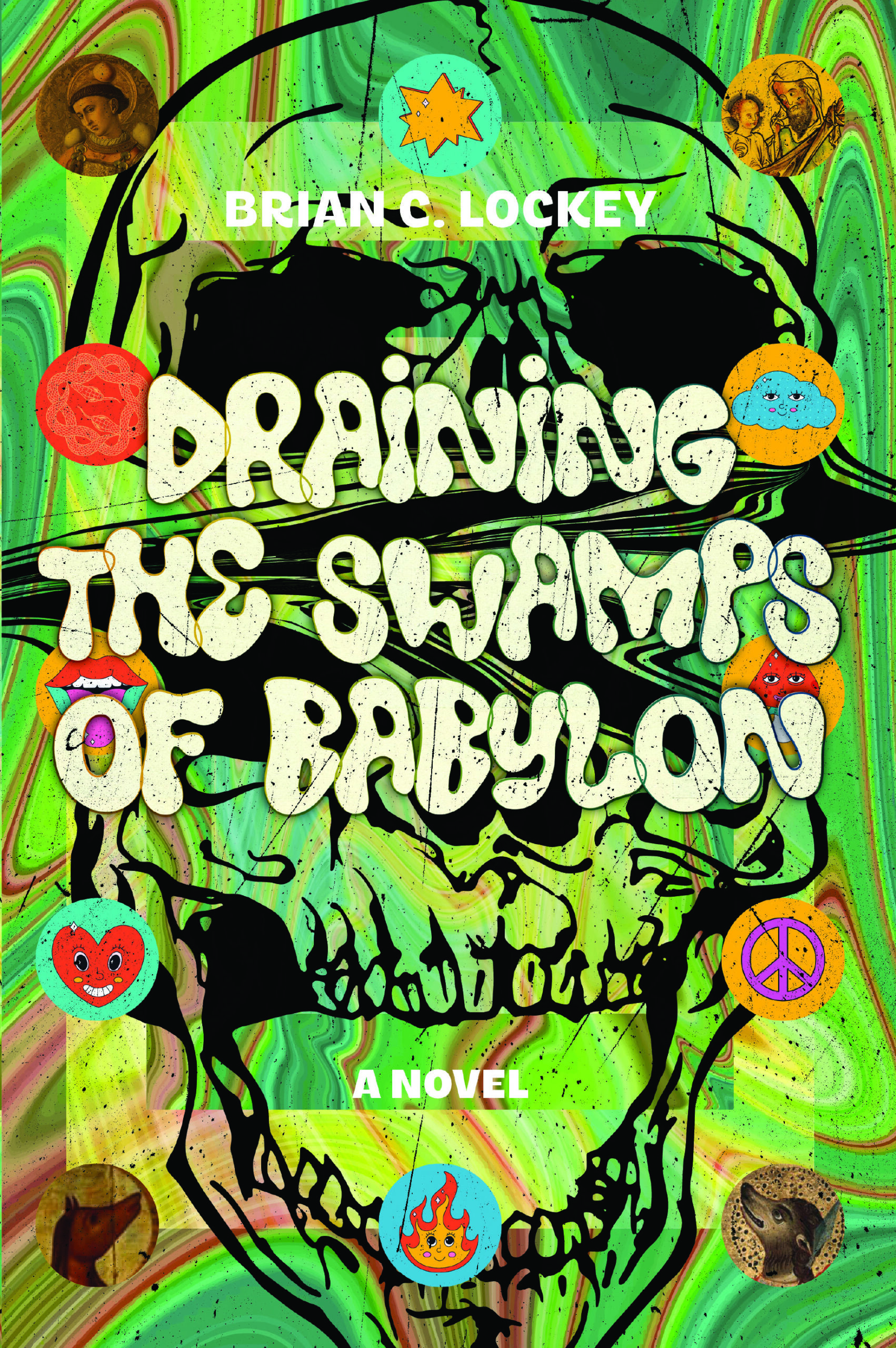
DRAINING THE SWAMPS OF BABYLON
Brian C. LockeyNew Academia Publishing/THESPRING, 2026
304 pages
ISBN 979-8-9991798-3-8 paperback
 See an excerpt from the book.
For BULK ORDERS, order directly from New Academia Publishing.
Queries: orders@newacademia.com
About the Author
Brian Lockey is a scholar of Renaissance literature whose fiction explores the weight of memory and the redemptive power of music in contemporary America. He is Professor of English Literature at St. John’s University in New York City and the author of Law and Empire in English Renaissance Literature (Cambridge University Press, 2006) and Early Modern Catholics, Royalists, and Cosmopolitans (Ashgate, reprint: Routledge, 2015).
DRAINING THE SWAMPS OF BABYLON
Combining Odyssean themes of exile, fidelity, and homecoming, this novel explores contemporary preoccupations with cancel culture and viral online craziness. Juxtaposing Florida and California, the novel also tackles controversies related to America’s longstanding cultural divide.
Draining the Swamps of Babylon tells an entertaining and compelling story, and also explores how American beliefs from the left and the right combine to omit or even erase the past. In the universe explored here, reconciling with the past occurs by means of a thorough examination—an archeology, if you will—of the complex layers of history and a faithful chronicling of events and decisions, no matter how tragic or misguided.
Praise
“Brian Lockey’s Draining the Swamps of Babylon is a richly conceived and well-executed novel. That Lockey is a scholar of the Renaissance does not surprise me: his novel begins with the past in furious pursuit before turning into a multilayered romance, as in Spenser and the later Shakespeare, where orphans recover their inheritance and the wanderer returns home to his love. Lockey’s third-person narration is deftly executed, which counterpoints the vision-racked and alcoholic tendencies of protagonist Whitman Whitaker. I admire Lockey’s economy of movement: the narrative does not get bogged down in incidentals, and the dialogue is clear and effective. This propulsive clarity is especially important given the complex plotting, in which the haunted settings of Southern gothic emerge anew through Whitman’s past and future success in the southern rock scene, with Florida as the core. Lockey’s masterful handling of this rock milieu will attract and impress many readers.”
Lee Oser, Professor of English, College of the Holy Cross, Worcester, MA; Councilor, Association of Literary Scholars, Critics, and Writers (ALSCW)